The Best Day Trips from Kyoto
- Apr 20, 2024
- 4 min read
Nestled in the heart of Japan, Kyoto serves as a gateway to many day trips. From ancient castles and traditional villages to scenic landscapes and bustling cities, Kyoto's surrounding regions are filled with diverse attractions. This is your ultimate guide to exploring the perfect day trips within one hour of Kyoto.


Day Trips from Kyoto:
Arashiyama Bamboo Grove
The Arashiyama Bamboo Grove is an mesmerizing bamboo forest, where tall bamboo stalks create a serene and picturesque pathway. You can walk through the enchanting grove along a designated trail, immersing yourself in the peaceful ambiance created by the rustling bamboo leaves and the gentle filtering of sunlight through the dense canopy above.

If you keep walking up the hill at the end of the bamboo path and pay a small entry fee, there is a beautiful garden and tea house.


Arashiyama is located 10 km outside of Kyoto, and is most easily accessible by taxi which takes 30 minutes. Entry is free admission, but it gets crowded. Get there early, before 8:30AM, to take a scenic picture without the crowds. If you want to avoid the crowds, there is a Buddhist temple nearby "Adashino Nenbutsuji" that has a lesser known bamboo grove, but charges a small entry fee.


Nara Deer Park
Nara Deer Park, officially known as Nara Koen, is a vast public park located in Nara, Japan. It is known for its friendly and freely roaming population of Sika deer, which are considered sacred in the Shinto religion. The park covers a large area, encompassing several significant historical and cultural sites. The park's most iconic residents, the deer, are regarded as messengers of the gods in Shinto belief. You can enjoy interacting with these deer, feeding them specially provided deer crackers (shika senbei), and witnessing the charming sight of the deer bowing in return for a treat, a behavior they learned from the visitors.

Within the park, you'll find notable landmarks such as the Todai-ji Temple, housing a colossal bronze Buddha statue, and the Kasuga Taisha Shrine with its enchanting lantern-lined paths. The presence of these historical sites alongside the playful deer creates a unique and magical atmosphere, making Nara Deer Park a must-visit destination for those seeking a harmonious blend of nature, culture, and spirituality. Nara is located 45 km outside of Kyoto, and is easily accessible by train which takes 45 minutes.




Osaka Castle
Osaka Castle is a historic landmark in Chūō-ku, Osaka, Japan. It was originally built in the late 16th century by Toyotomi Hideyoshi. Surrounded by Osaka Castle Park, the site offers picturesque landscapes, seasonal beauty, and historical exhibitions inside. The current main tower is a concrete reconstruction, completed in 1931, showcasing the original castle's imposing design. You can enter the main tower, which houses exhibitions detailing the history of Osaka Castle and the various rulers associated with it. The observation deck on the upper floors provides panoramic views of Osaka and its surroundings.

Osaka Castle is easily accessible, and its central location makes it a convenient and iconic attraction for both locals and tourists exploring the city. It stands as a cultural and historical symbol, inviting you to experience Japan's feudal past and architectural heritage. Osaka Castle is located 50 km outside of Kyoto, and is most easily accessible by train which takes 1 hour.


Dotonbori & Shinsekai
Dotonbori and Shinsekai are vibrant districts in Osaka, Japan, each offering a lively urban experience. Dotonbori is a bustling entertainment district known for its neon lights, vibrant street life, and a myriad of restaurants, shops, and entertainment options. Situated along the Dotonbori Canal, the district is characterized by illuminated signs and the reflection of lights on the canal. Dotonbori is a food lover's paradise, with a wide range of street food stalls, restaurants serving Osaka's famous takoyaki (octopus balls) and okonomiyaki (savory pancakes), and diverse culinary offerings.

Shinsekai, meaning "New World, was developed in the early 20th century as a futuristic entertainment area, Shinsekai features a blend of retro and modern elements. The district is known for its Tsutenkaku Tower, an iconic symbol of Osaka, offering observation decks with panoramic views. Shinsekai has an ambience with narrow streets, traditional Japanese-style pubs (izakayas), and local eateries serving kushikatsu (deep-fried skewers).
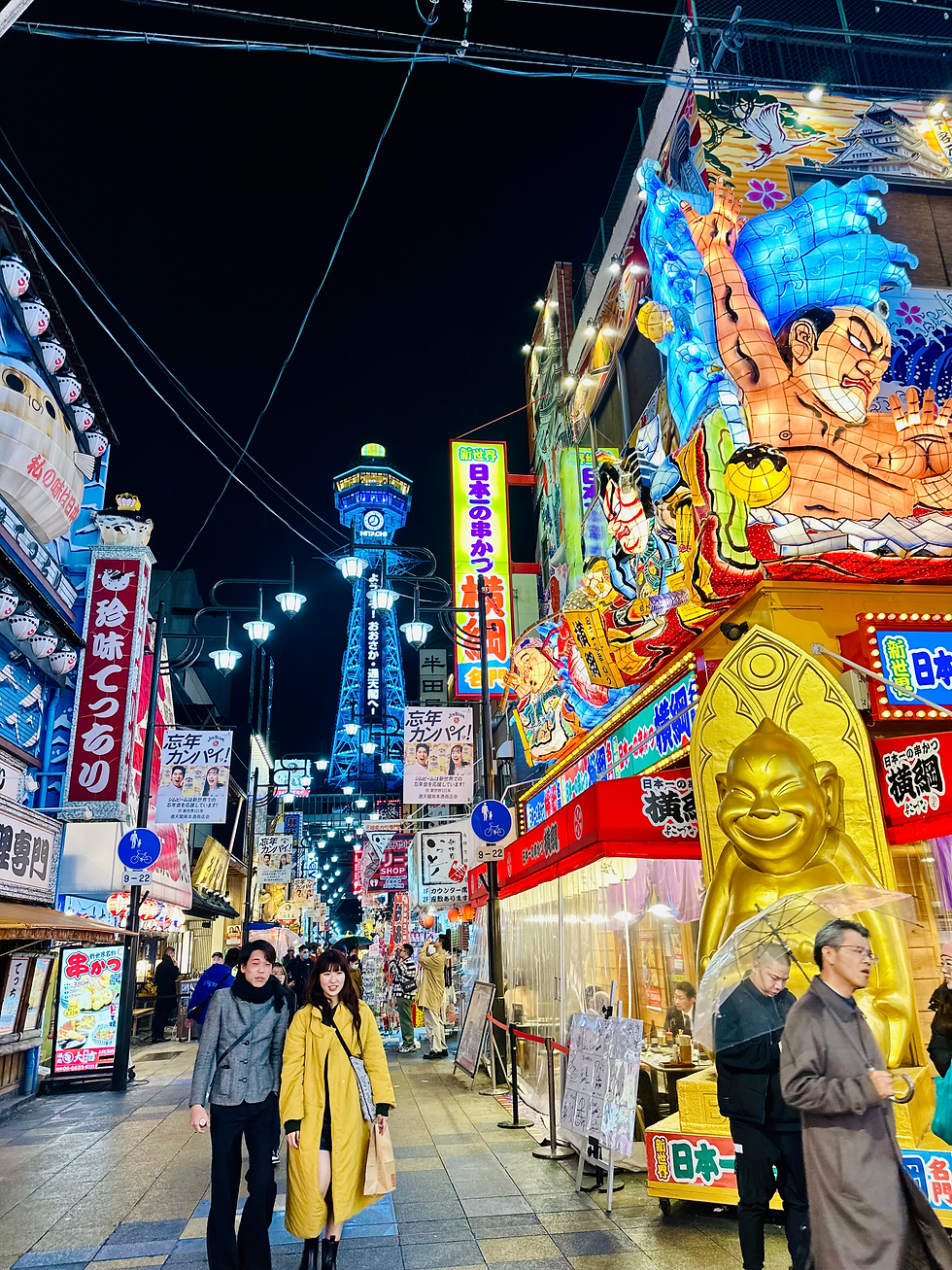
Both Dotonbori and Shinsekai showcase different facets of Osaka's urban life, offering a taste of the city's vibrant street culture, culinary delights, and unique entertainment experiences. They are located 3km from one another, and you can travel between them with a 5 minute subway ride. They are located 60 km outside of Kyoto, and are most easily accessible by train and subway which takes 50 minutes.


Uji
Uji is a city in Kyoto Prefecture, Japan, known for its high-quality green tea production, notably matcha. Uji is the best day trip from Kyoto for tea enthusiasts because of its many tea plantations that have a rich history. Uji's commitment to cultivating high-quality tea has earned it a prominent place in Japan's tea culture. Visitors can explore the UNESCO World Heritage Site, Byodoin Temple, with its iconic Phoenix Hall, as well as the ancient Ujigami Shrine, steeped in Shinto tradition. The Uji River gracefully winds through the city, offering a serene backdrop, especially during the cherry blossom season when the riverside becomes a popular spot for hanami, or flower viewing. Uji is located 20 km outside of Kyoto, and is most easily accessible by train which takes 25 minutes.
Himeji Castle
Himeji Castle, also known as the "White Heron Castle," is a meticulously preserved feudal fortress located in Himeji, Hyogo Prefecture, Japan. It is known for its elegant white exterior and intricate design, the castle stands as a prime example of early 17th-century Japanese castle architecture. Recognized as a UNESCO World Heritage Site, Himeji Castle boasts sophisticated defensive features, including maze-like paths, strategic openings for archers, and curved walls, showcasing the ingenuity of its builders in creating a formidable stronghold.
Dating back to 1333, Himeji Castle has a rich history marked by expansions and renovations, playing a significant role in historical conflicts. Visitors can explore its towering keep, defensive structures, and enjoy scenic views from the upper floors. Surrounded by a cherry blossom park, the castle becomes a picturesque destination during the spring, attracting both history enthusiasts and admirers of Japan's cultural heritage.

Comments